Pathways and routing
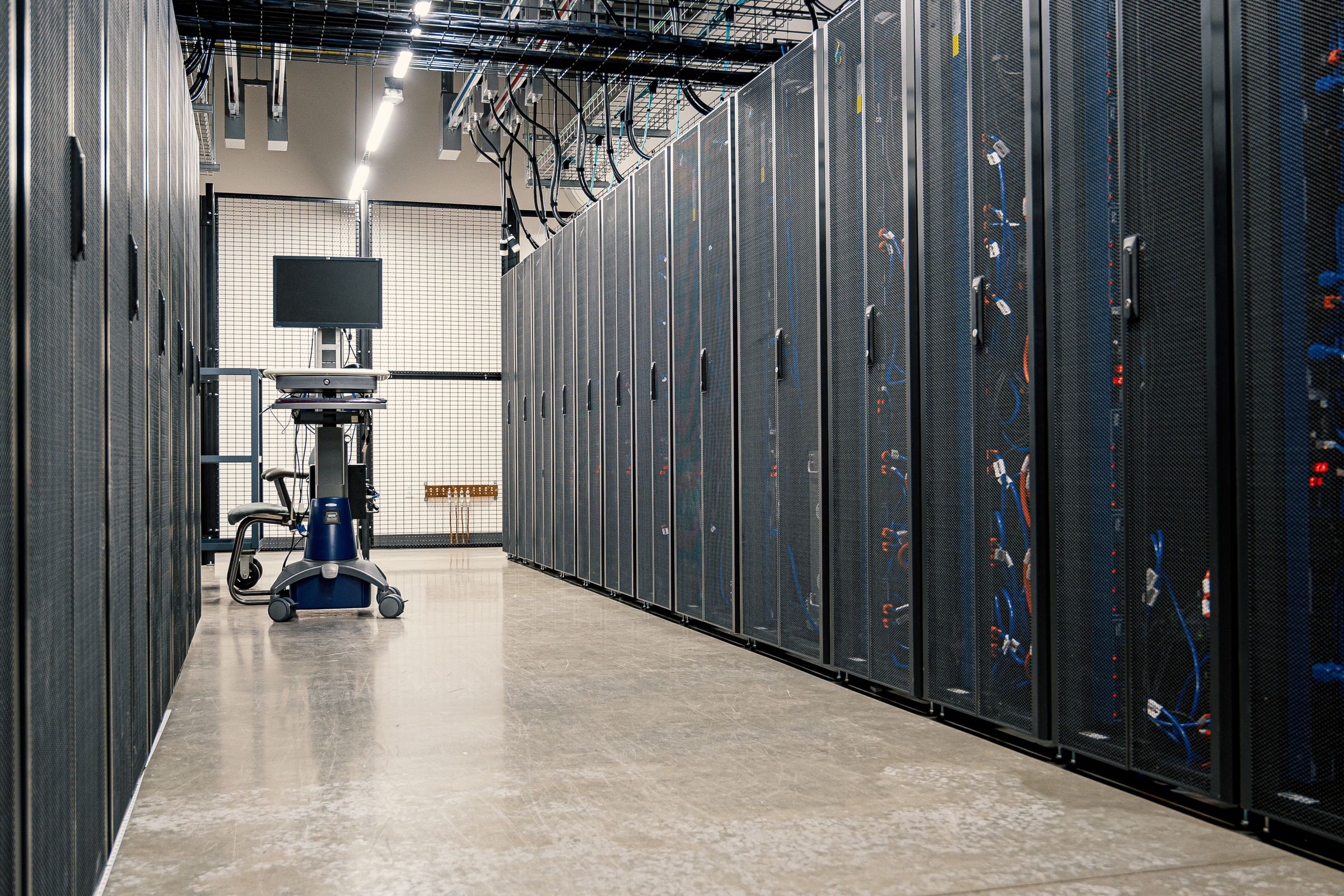
How cabling moves through a building matters as much as the cable itself. Routes need to respect the structure, the other services in the ceiling, and the access the space allows.
Low-voltage cabling. Electrical services. Project inquiries.
Low-voltage cabling
Low-voltage cabling provides the pathways and connections behind data, voice, and control systems. The routing, components, and organization are established around the needs of the space.

What this covers
This is an overview of the division, not a fixed package. The exact services, deliverables, and property types are confirmed for each project.
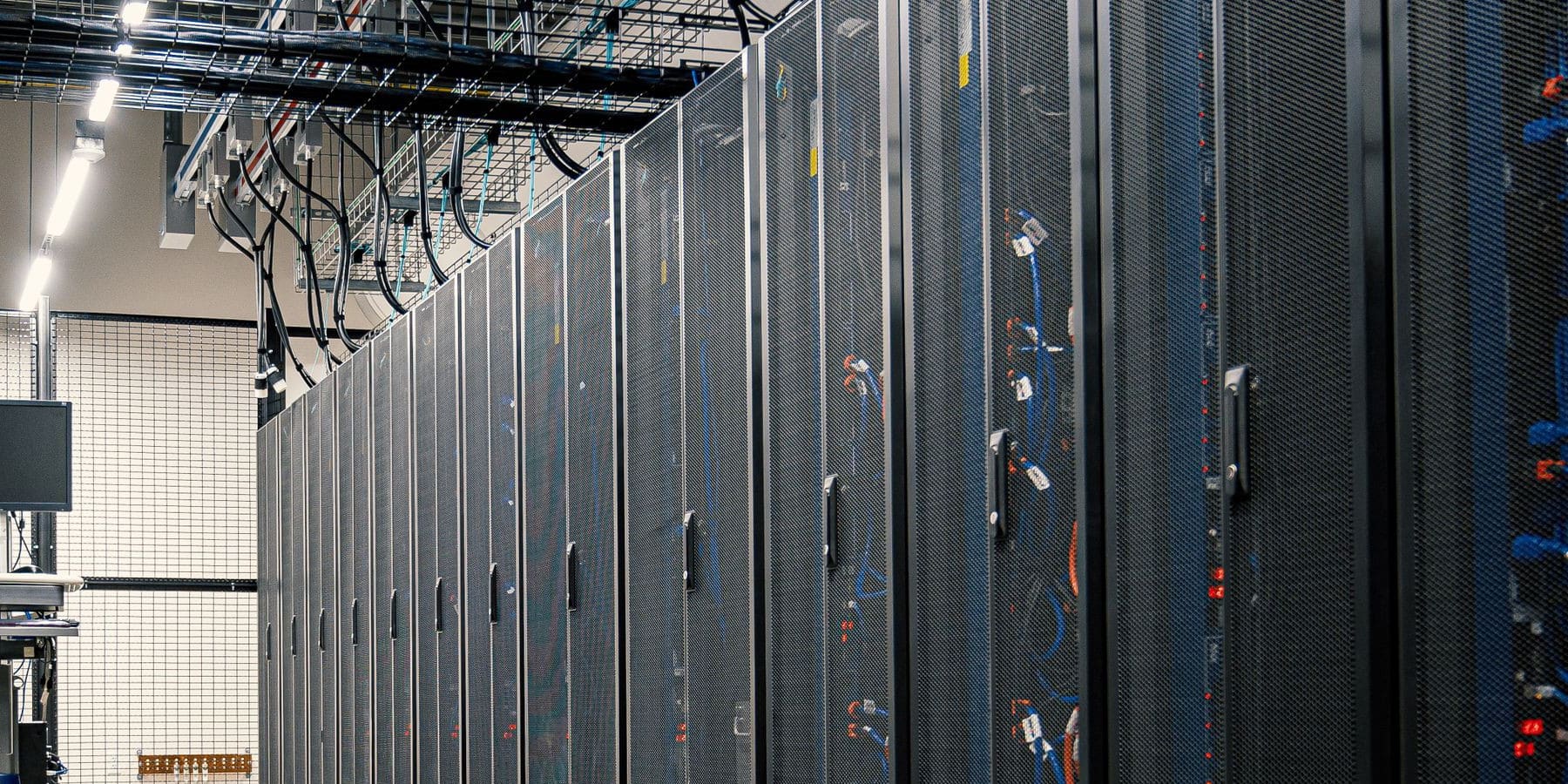
How cabling moves through a building matters as much as the cable itself. Routes need to respect the structure, the other services in the ceiling, and the access the space allows.
The right cable and termination depend on the systems being supported and the conditions in the space. The details should be established before installation begins.
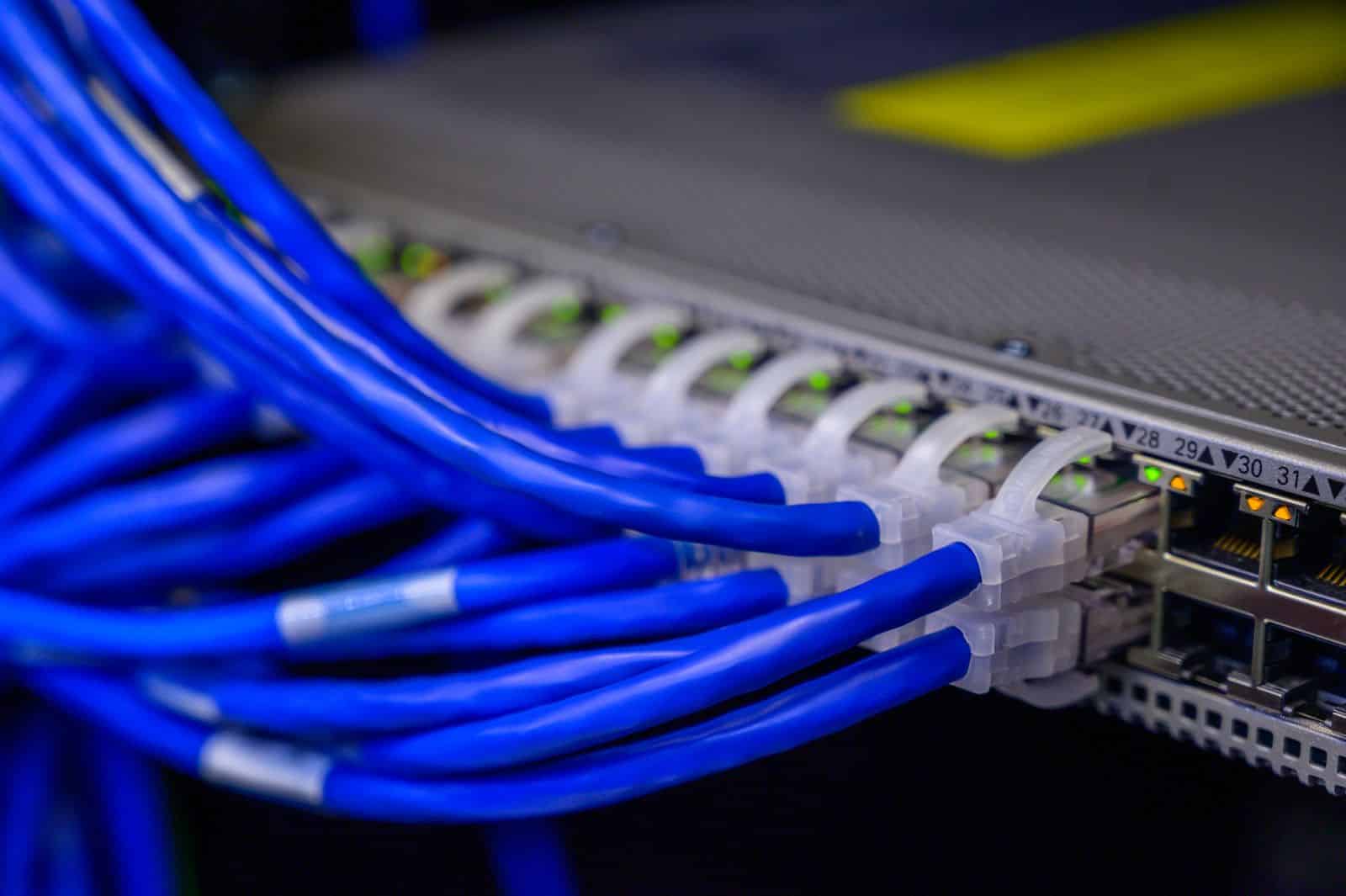
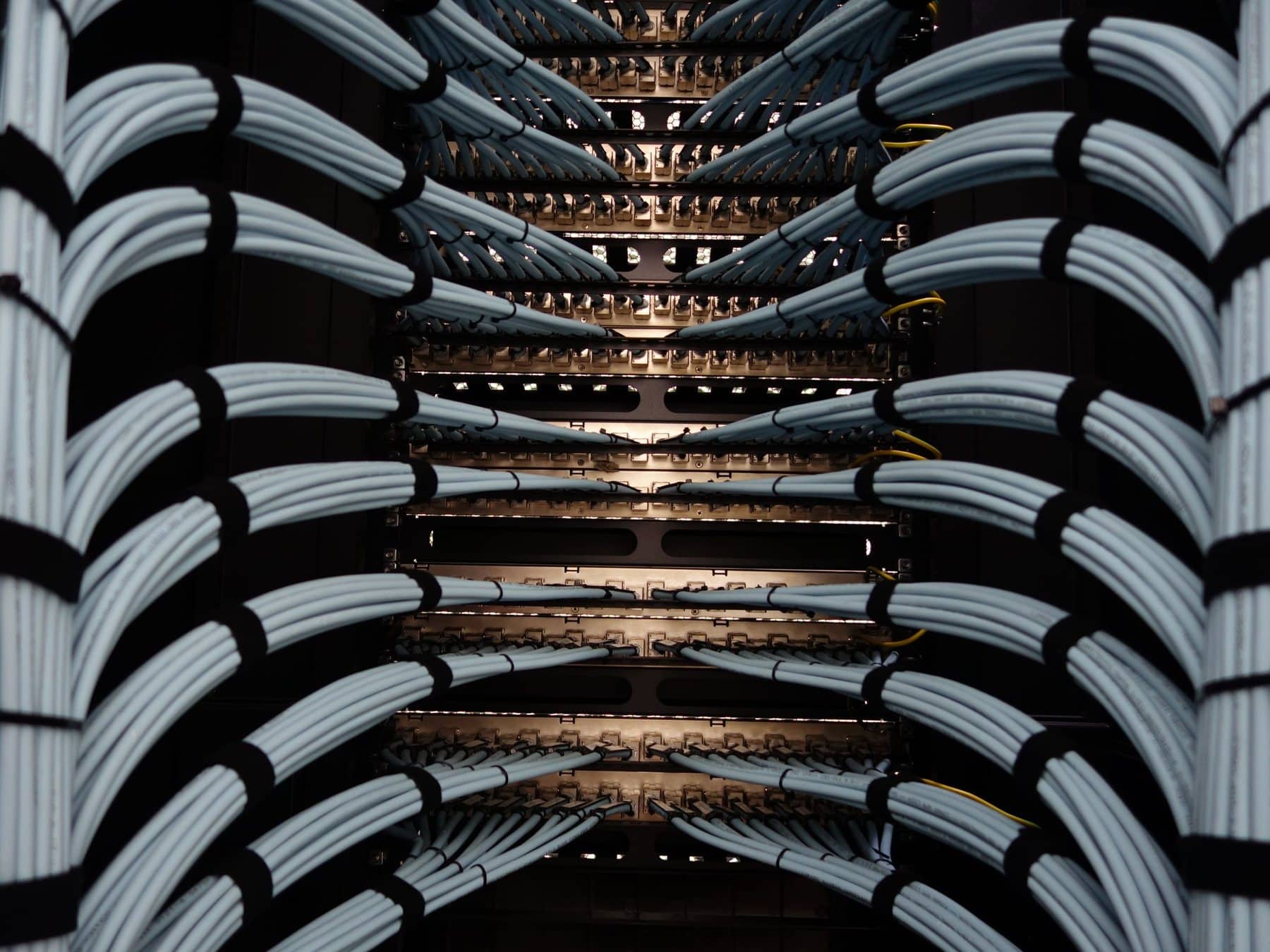
Clear labelling and orderly termination make an installation easier to maintain, troubleshoot, and change later.
Cabling rarely happens in isolation. It has to fit with electrical work, ceilings, joinery, and the sequence of other trades.
What shapes the work
These are the practical questions that tend to determine whether a scope is realistic. They apply to both divisions, even when the technical work is different.
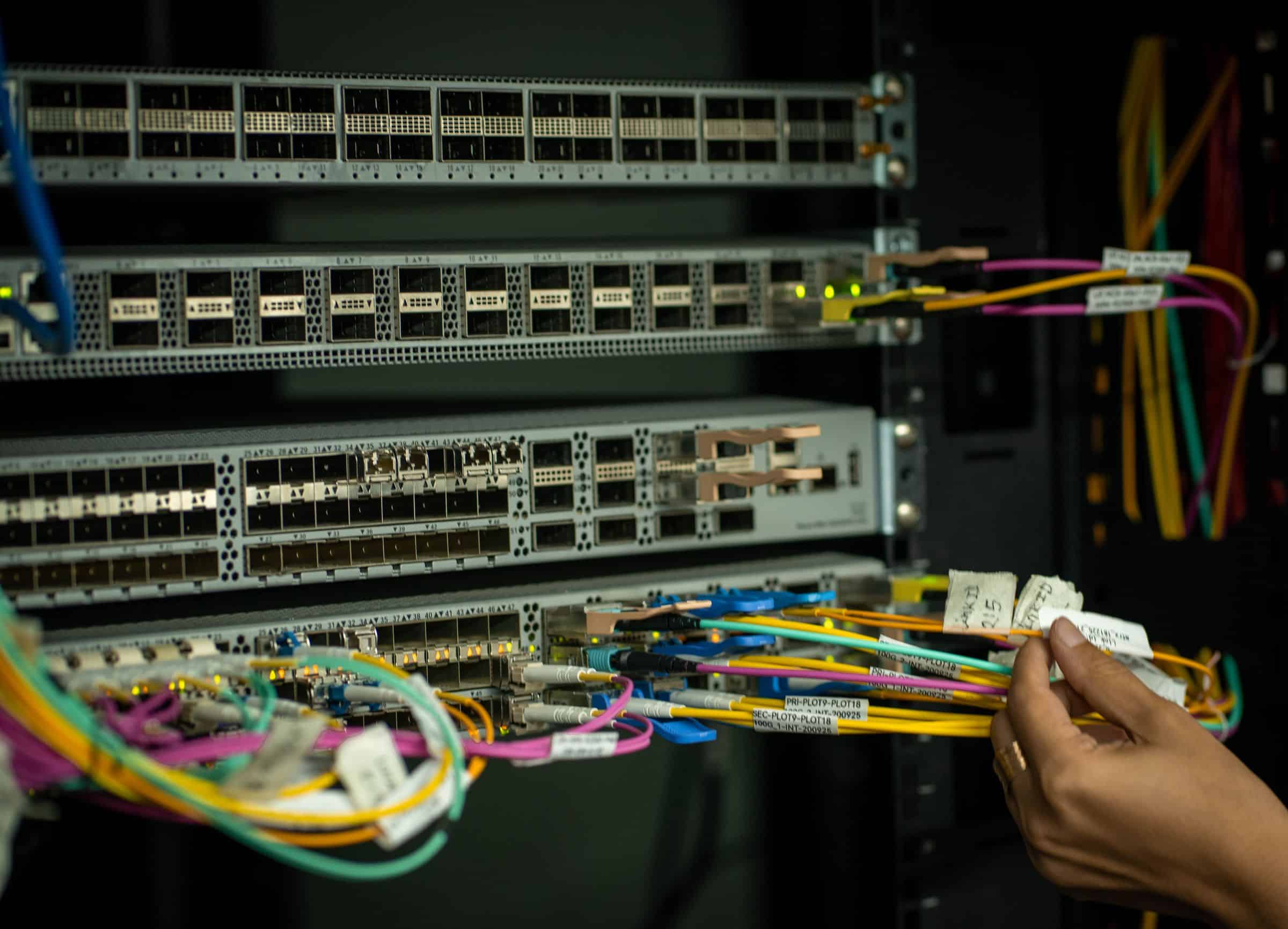
What is already in place, and what can genuinely be reused? The answer shapes both the approach and the disruption.
When does the cabling need to be complete relative to other work? Early decisions can prevent later rework.
Can the team reach the routes without disrupting the building? Access is a practical constraint, not an afterthought.
What does the project need to identify or document? A clear handover makes the installation easier to live with.
What to bring
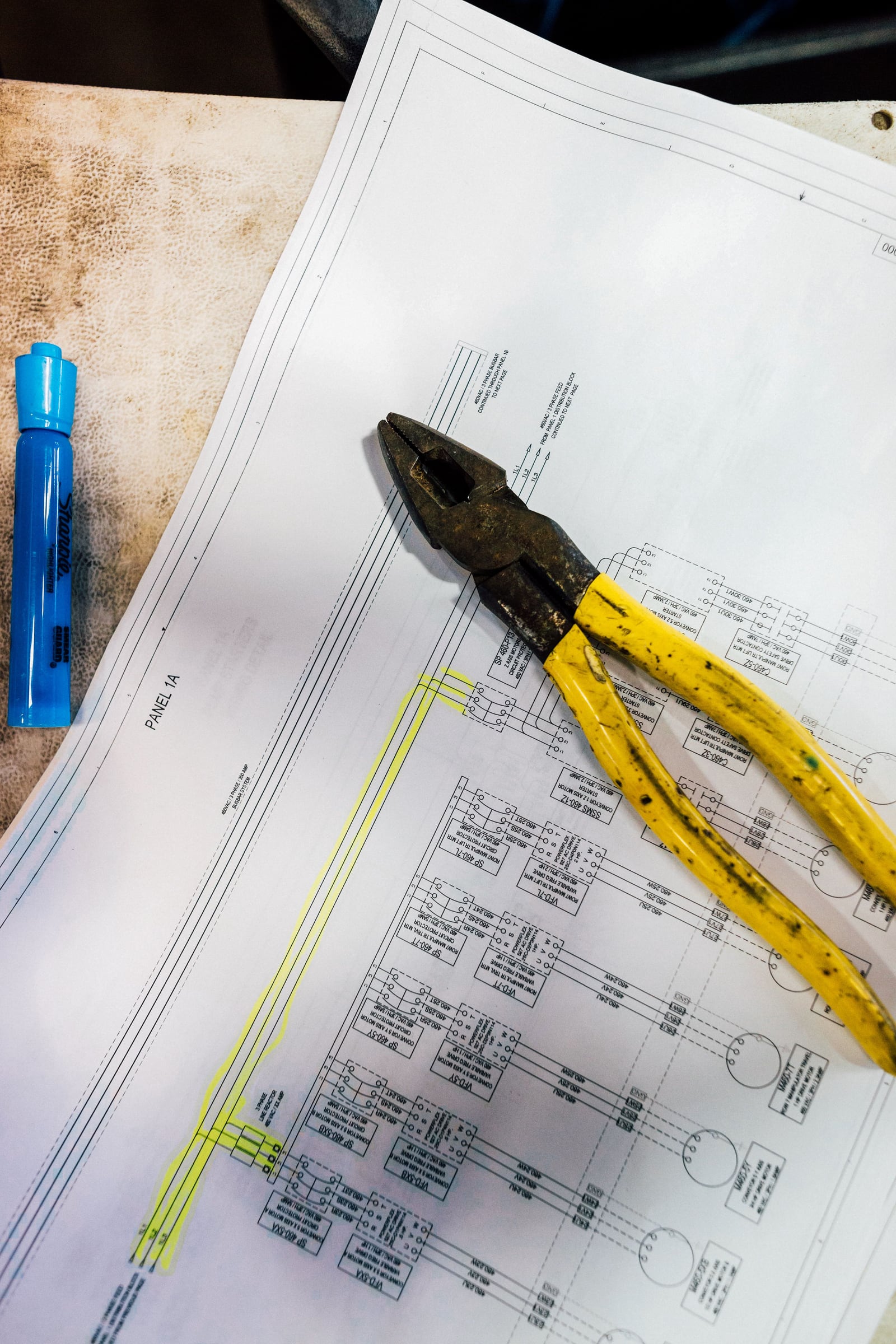
You do not need a completed specification. A few clear details make the first conversation more useful.
Questions
A clear answer early is better than an expensive assumption later. If your question is not here, raise it in the inquiry.
Nola Enterprise works across low-voltage cabling and electrical services. The exact scope of each project is confirmed before work begins.
A conversation can establish the next step, but an accurate scope usually needs more information about the space and the systems involved.
Describe the space and what it needs to do. We can discuss which division fits and what information is still missing.
That depends on the project and the access available. It should be one of the first things discussed so the approach can be planned around the building's constraints.
The other division
Electrical systems and power infrastructure for the spaces people use every day.
Understanding what is already installed is the starting point for a safe, workable scope.
The work has to suit the equipment, layout, and use of the space.
Electrical work touches almost every other trade.
The result should be practical to use, maintain, and adapt as the space changes.
Start a project
Bring the project at whatever stage it is in. A clear conversation about the space, the systems, and the timing is the best place to begin.