
Insights article
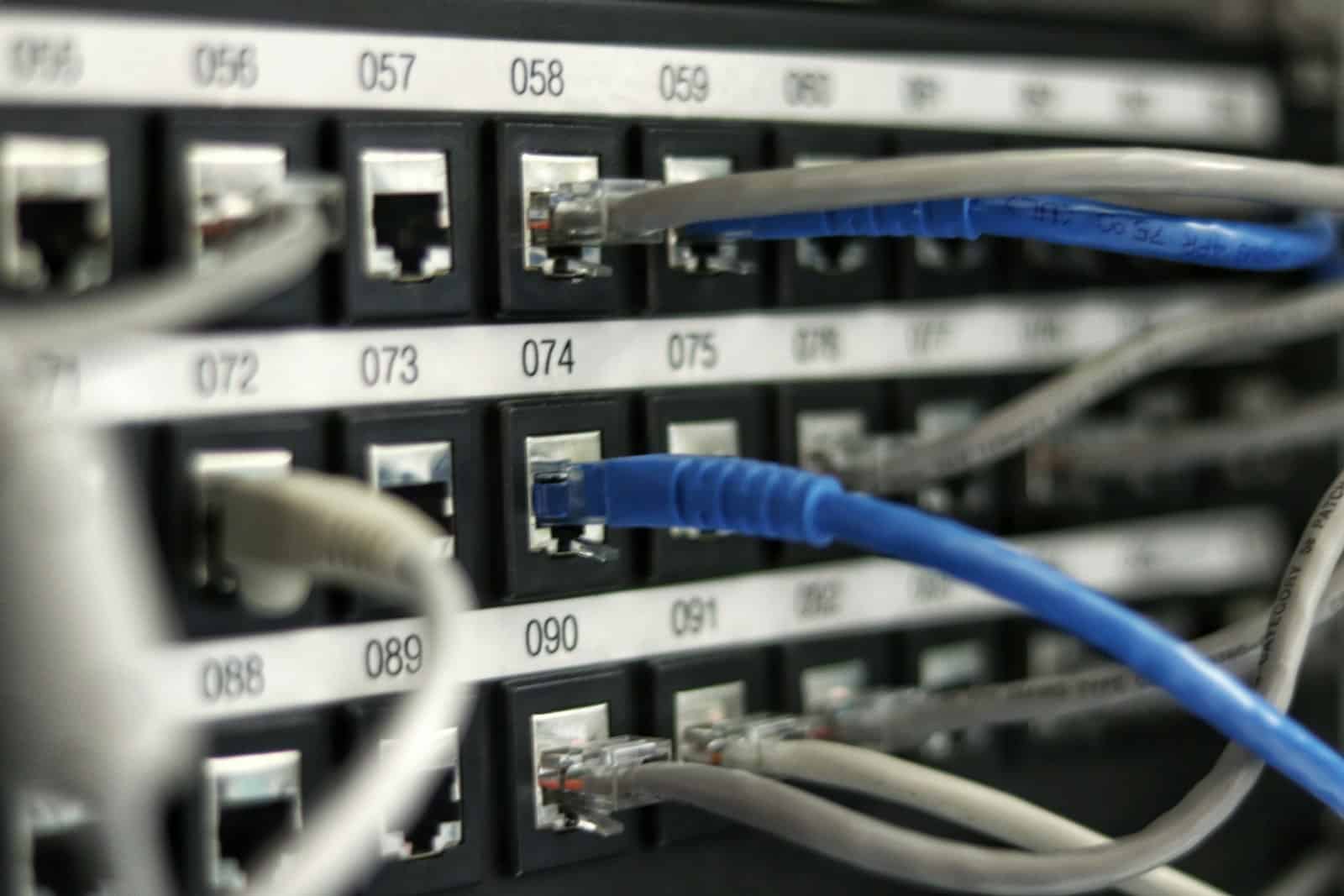
Structured cabling detail / licensed stock image
On this page
A cabling estimate is not only a price for cable. It is a response to a set of conditions: what the space needs to support, how the cable will get there, what is already installed, and who is responsible for each part of the work. The clearer those conditions are, the easier it is to compare one proposal with another.
You do not need a finished technical specification before the first conversation. A concise brief is usually more useful than a large package of documents with no explanation. The aim is to give the project enough context to establish the next step.
Start with the space
Describe the type of space and its current state. Is it a new fit-out, a renovation, a move into an existing office, or a change to part of a building? Is the ceiling open, or finished? Is the area occupied? These details affect access, sequencing, and the amount of protection or making good the work may need.
- The approximate size of the area and the number of rooms or zones.
- Whether the space is new, being renovated, or already in use.
- The stage of the wider project: planning, procurement, first fix, or occupation.
- Any known constraints on access, working hours, or building rules.
Describe what connects
Cabling scope follows the systems it supports. List the systems you expect the space to use, even if the final equipment is not selected yet. A data outlet, a wireless access point, a camera, a door controller, and an audio system may all need different cabling, termination, or pathway arrangements.
If the equipment schedule is not final, say so. It is more useful to describe the intended use and the number of connections than to provide a list that will change without explanation.
Show the route, even roughly
The route is often the difference between a straightforward installation and a difficult one. Floor plans help, but they are not the only option. A marked-up drawing, a few photographs of the ceiling or riser, or a walkthrough note can be enough to start a useful conversation.
- Where the cabling enters the space and where it needs to reach.
- Known ceiling, riser, or containment routes.
- Any areas that cannot be accessed or should not be disturbed.
- Whether other trades will be working in the same routes at the same time.
Be clear about responsibilities
Cabling projects involve boundaries. Someone may supply the equipment, someone may install containment, someone may terminate or test the cabling, and someone may be responsible for making good after the work. If those boundaries are not stated, two proposals can look comparable while covering different amounts of work.
Put timing and access in the brief
A cabling project can be technically simple and still be difficult to schedule. If the space is occupied, the work may need to avoid certain hours or areas. If other trades are present, the cabling sequence may depend on ceilings, power, or furniture. Include the dates that matter and the access restrictions you already know about.
What not to send first
Do not send passwords, access credentials, private network details, personal information, or sensitive documents in an initial inquiry. Start with the project context. Share more specific information through an agreed, secure channel once the conversation has a clear purpose.
A simple brief
- Space: type, size, current state, and whether it is occupied.
- Systems: what the cabling needs to support, with approximate quantities.
- Routes: known pathways, entry points, and access constraints.
- Responsibilities: what you expect the cabling scope to include.
- Timing: key dates, working hours, and dependencies on other trades.
That is enough to begin. The estimate can become more precise as the project develops, but a brief built around these five areas gives both sides a better starting point.
Further reading